Thursday, 13 October 2011

Another Psalm Snippet - on how to read

Psalm 1 - verses 4 to 6 only (in bold are the recurring roots in this section)

לֹא-כֵן הָרְשָׁעִים
כִּי אִם כַּמֹּץ
אֲשֶׁר-תִּדְּפֶנּוּ רוּחַ
4Not so the-many wicked
in contrast: like chaff
that blows in the wind
עַל-כֵּן לֹא-יָקֻמוּ
רְשָׁעִים - בַּמִּשְׁפָּט
וְחַטָּאִים בַּעֲדַת צַדִּיקִים
5So it is that they will not arise
the wicked - in the judgment
nor sinners in the assembly of the-many righteous
כִּי-יוֹדֵעַ יְהוָה
דֶּרֶךְ צַדִּיקִים
וְדֶרֶךְ רְשָׁעִים תֹּאבֵד
6For יְהוָה knows
the way of those righteous
but the way of those wicked will perish

What we observe here is a pair of circular forms pivoting around the word wicked with an ultimate focus on the way. 

Word and gloss12345VsRoot
לא not
4לא
כן so
4כן
הרשׁעים the-many wicked
4רשׁע
כן so it is that
5כן
לא they will not
5לא
רשׁעים the wicked
5רשׁע
צדיקים the-many righteous
5צדיק
דרך the way of
6דרך
צדיקים those righteous
6צדיק
ודרך but the way of
6דרך
רשׁעים those wicked
6רשׁע
Parallelism is subjective and people argue over it. Prosody has its conflict with available space and lines get shortened or lengthened depending on paper size or page size.  But recurrence is relatively objective. Dig first,  (recurrence) then lay out (prosody), then look for the parallels and other features within the frame established.  And look in small segments - finding them is tricky, but once found, they don't disappear.

Now my job is to learn to see and to write what I see. Do I see here in the beginning the statement that the assembly of the righteous is the judgment? Does this anticipate the binding of the kings by the merciful in Psalm 149?

As Hooker noted - what is there necessarie for man to know which the Psalmes are not able to teach?

(quoted in Renaissance Quarterly > Vol. 55, No. 1, Spring, 2002 > Psalm Culture in the English Renaissance: Readings of Psalm 137 by Shakespeare, Spenser, Milton, and Others.)

Wednesday, 12 October 2011

Mid month forgetfulness

I had a full day today - I delivered my presentation at 10:30 and I think it was received as I intended it. (Some details at these posts) There was good interest and engagement with my simple 'rhetorical criticism' but then I had so much difficulty with my computer later in the day that I forgot to go to the regular Wednesday lecture! Yech - but we will discuss it tomorrow so I will get a bit of the context.  Just look at what I missed.
We often think we know how the Roman Catholic church treated women in the 16th and 17th centuries. Indeed, a study of the court from that period in France suggests a gradual shift by lawmakers from a heightened stance against Protestant heresy toward greater concentration on the enforcement of Catholic morality. At first this policy focused on female sexual deviance, vigorously pursuing “loose women” such as adulteresses and prostitutes. To those familiar with the general outlines of the Catholic Reformation, this may sound like a familiar story. The results of the changes brought about by the law courts of France, however, may come as a surprise.
In the meanwhile, I have been reading and commenting on other blogs. My starred items this month include a bunch on theological issues.
  • Nathan MacDonald (no relation) noted here 
  • The War prayer
  • A quote from Bauckham where I left a question
  • A post on the Zohar - that looks like an interesting and incarnational journey
  • A question yet to be approved on theology - I do not consider that all theology has to be 'Christian' but you know what I think of exclusive adjectives. The link came to my attention because of a recent post. (where my comment was immediately accepted)
  • Finally, engaging with Theophrastus on BLT is a delight. Here is another Iyov. Welcome respite.

Sunday, 9 October 2011

Sunday school report

I had to substitute this morning for a teacher who was ill. Report of experience is here.

Wednesday, 5 October 2011

Psalm 18, subdividing a long psalm

Psalm 18 - translation and detailed recurrence tables here.  I had missed a clue in the division of this first long psalm. The words of verse 2 play no part in the rest of the poem. The words of verse 20 have no part in the first 19 verses. Verse 37 has a word that frames verses 20 to 37. This divides the poem in three roughly equal sections.  Recurrence is perhaps more than a trowel, indeed, possibly a spade, or even a shovel!

As noted in my presentation, psalm 18 has a beautiful snippet in verses 21-25. The tools of parallelism, prosody, and recurrence set this set of verses up nicely.

Psalm 18:21-25

יִגְמְלֵנִי יְהוָה כְּצִדְקִי
כְּבֹר יָדַי יָשִׁיב לִי
21יְהוָה will reward me for my righteousness
for the purity of my hands he will turn to me
כִּי שָׁמַרְתִּי דַּרְכֵי יְהוָה
וְלֹא רָשַׁעְתִּי מֵאֱלֹהָי
22for I have kept the ways of יְהוָה
and I have not been wicked with my God
כִּי כָל מִשְׁפָּטָיו לְנֶגְדִּי
וְחֻקֹּתָיו לֹא אָסִיר מֶנִּי
23for all his judgments are before me
and his statutes I will not put aside from me
וָאֱהִי תָמִים עִמּוֹ
וָאֶשְׁתַּמֵּר מֵעֲו‍ֹנִי
24and I will be complete with him
and I will keep myself from my iniquity
וַיָּשֶׁב יְהוָה לִי כְצִדְקִי
כְּבֹר יָדַי לְנֶגֶד עֵינָיו
25and יְהוָה turned to me for my righteousness
for the purity of my hands before his eyes
The recurring words in relative order in this section clearly show a circular structure with an added focus on the apparently unimportant word before. Before is more than an unimportant preposition. It establishes a close relationship between the poet me and the eyes of  'my God'.  Prepositions are tricky and I have been relaxed with them frequently so undoubtedly missing some sonorities at times.

Word and gloss * first usage12345678VsRoot
כצדקי for my righteousness
21צדק
* כבר for the purity of
21ברר
ידי my hands
21יד
ישׁיב he will turn
21שׁוב
* לי to me
21לי
שׁמרתי I have kept
22שׁמר
ולא and not
22לא
* לנגדי are before me
23נגד
לא not
23לא
ואשׁתמר and I will keep myself
24שׁמר
וישׁב and turned
25שׁוב
* לי to me
25לי
כצדקי for my righteousness
25צדק
* כבר for the purity of
25ברר
ידי my hands
25יד
* לנגד before
25נגד
I posted earlier on this poem here. Verses 8-16 give us another strongly coherent section

Word and gloss * first usage123456789101VsRoot
* ותגעשׁ and shakes
8געשׁ
* ומוסדי and the foundations of
8יסד
* ויתגעשׁו and are shaken
8געשׁ
באפו from his nostril
9אף
* ואשׁ and fire
9אשׁ
* גחלים coals
9גחל
שׁמים heavens
10שׁמים
* רוח the wind
11רוח
* חשׁך darkness
12חשׁך
* חשׁכת dark
12חשׁך
* מים waters
12מים
* עבי thick clouds of
12עב
* עביו his thick clouds
13עב
* ברד hail
13ברד
* וגחלי and coals of
13גחל
* אשׁ fire
13אשׁ
בשׁמים in the heavens
14שׁמים
* ברד hail
14ברד
* וגחלי and coals of
14גחל
* אשׁ fire
14אשׁ
* מים waters
16מים
* מוסדות the foundations of
16יסד
* רוח the wind of
16רוח
אפך your nostrils
16אף

Focus - the toolset

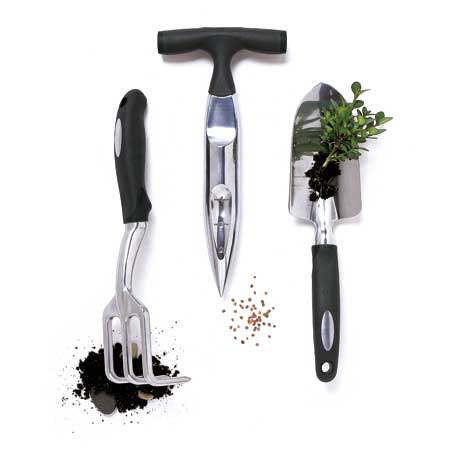
I am now in a position to focus on minute discoveries in the Psalter. These miniatures are things I am looking at myself based on my three tools for reading psalms.  These gardening tools are applicable to all the Hebrew texts I have looked at in any detail, and they apply to New Testament texts in some measure as well.

So the tools are: Parallelism, Prosody, and Recurrence.

Parallelism is the traditional recognition of what I have called rhyming ideas based on work done by Robert Lowth  (1710-87) and continued by many.

It was John Hobbins who illustrated, convincingly for me, seeing in 2s and 3s. This is Prosody, the art of laying out the word and verse structures of poetry.

Recurrence is the repetition of the same word for structural impact. See Jonathan Magonet, A Rabbi Reads the Psalms, 2003 for a delightful read, though with a few distractions (original sin and the missing Nun).

Distinguish parallelism - different words used to say similar (or contrasting) thoughts, and recurrence - the same root used to create a sound structure. It's a bit like the difference between using a weeder to dig a hole in the ground compared to using a trowel. You could use either, but they are not the same tool. Parallelism is the weeder of course. It dives into a specific area of the text.  Let the three pronged cultivator be Prosody and the trowel the tool you can use to find structural soundness in the ground.

Here is one miniature example in a single verse, Psalm 1:1.

Happy the person

who does not walk in the advice of the wicked
and in the way of sinners does not stand
and in the seat of the scornful does not sit


Just look at it: three parallels, 9 keywords, 3 on each of 3 lines, and three recurring beats of 'not'.

This is a form that is often reproducible in translation, and often ignored.

There is an introductory presentation (revised after two test runs) for these tools here.

Sunday, 2 October 2011

Sunday school

Our Sunday school was bursting at the seams this morning - lots of boys playing ball hockey during the coffee hour were a testimony to the four classes we now have compared to none 5 years ago. My first lessons in Hebrew - two in one morning - are noted here.

Saturday, 1 October 2011

Psalm 23 - de-sensed

I am rereading with some delight Rabbi Magonet's little book on the psalms (2003) in which he quotes this construction of Psalm 23 by "five clever young men in Christ Church, Oxford", quoted from the Telegraph.

Still waters aside - here it is, dynamic equivalence for the technical guru
The Lord and I are in a shepherd/sheep situation, and I am in a position of negative need. He prostates me in a green belt grazing area; he conducts me directionally parallel to non-torrential aqueous liquid. He returns to original satisfaction levels my psychological make-up; He switches me on to a positive behavioural format for maximal prestige of his identity. 
It should indeed be said that not-withstanding the fact that I make ambulatory progress through the umbrageous inter-hill mortality slot, terror sensations will not be instantiated within me due to para ethical phenomena. Your pastoral walking aid and quadruped pickup unit introduce me into a pleasurific mood-state. 
You design and produce a nutrient-bearing furniture-type structure in the context of non-cooperative elements. You act out a head-related folk ritual employing vegetable extract; my beverage utensil experiences a volume crisis. 
It is an ongoing deductible fact that your inter-relational empathetical and non-vengeance capabilities will retain me as their target focus for the duration of my non-death period; and I will possess tenant rights in the housing unit of the Lord on a permanently open-ended time basis.
R. Magonet quotes the Telegraph writer's conclusion: Having read that, I assume the translators of the Authorized Version have adopted an ongoing burial rotation posture.

May the vulnerable inner pulsing engine that beats the duration of your non-death period find in the interstices of its measured pulse the experiential sensible tenderness component of the manifest Presence.