Thursday, 30 January 2020

Comparing music to music

I must train my ear to hear what I see. This is a task that should have been set for me 55 years ago. But someone said this was a gift, and since I didn't have it, I presumed I was doomed. Not so. Any gift can be learned if one persists. It is a matter of learning to overcome a deficit without letting the stronger sense dominate. So for me, it is a matter of taking dictation and repeating it until I get the eyeball equal to the eardrum.
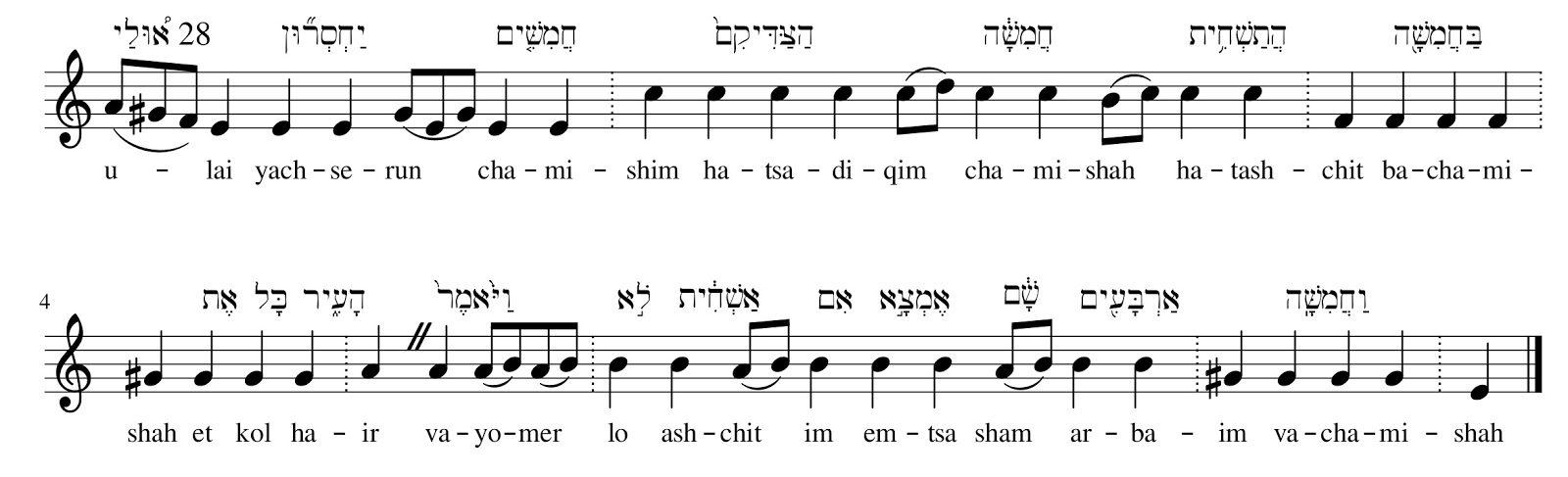
Psalms 1:1-2 comparing cantilation interpretation, Haiïk-Vantoura vs Burns
I have to give tradition its due. So here is a little of Psalm 1 translated into parallel lines in a score. Comparing Burns reconstruction with Suzanne Haïk-Vantoura's setting.

There is a lot to compare musically. SHV is in a different mode, Effectively E minor. Burns has chosen E major. This is fine. The choice of mode is moot. I could have transcribed SHV as E major.

I don't think that Burns considers any other mode, however. SHV varies the mode from psalm to psalm considerably. They could be accompanied by stringed instruments with variable tuning if needed.

Burns is very melismatic. I challenge you to map the notes to an accent. I listened to Psalm 96 and thought of transcribing that since the accents demonstrate the strophic form of the poem. I could not hear the strophes with the Burns version. The munah is lost as a marker of groups of verses. It is there in the text, but it is obscured by the slurs. I might be able to learn to hear it, but why make it so difficult?

It is remarkable that the lines begin and end on the same notes.

Less is more, I think, in this example. So let me see if the following will help identify the shapes of the accents more completely. The underlay may also help. I have marked the accents roughly as SHV interprets them. Her interpretation is unvarying and clear. An accent below the text always means move to this reciting note if you are not already there. An accent above the text is an ornament, distinguishable from the other ornaments.

So what notes are associated with the accents in the Burns melismas? I am out of my depth. He says there is a nasogh akhor to begin. The explanation floors me.
Nasogh akhor (retracting) is the frequent practice of displacing an accent to avoid an unaesthetic collision of two consecutive accents. It occurs when two consecutive words have a conjunctive and disjunctive accent, respectively, and the first word would be normally accented on its last syllable and the second word is accented on its first syllable. 
That is not the case in Psalm 1:1. So it is apparently an extended one. He also notes the accentual role of a metheg in the construction.
Here, the accent of ashre is moved from its normal ultimate position to the penultimate syllable, even though the following word is not accented of its first syllable, as would be the case in a conventional case of nasogh akhor. Thus, an artistic tension arises between the unusual accent on the first syllable of ashre and the next accent, which is distant from it - on the second syllable of ha'ish. The placement of methegh on the syllable that has lost its accent can be observed in this example. It is almost always present in the cases of extended nasogh akhor. This is understandable, since and extended nasogh akhor changes the normal pronunciation of words more radically than the conventional one, and therefore, the assurance that it is not unintentional is even more appropriate. 
I will say in my bias that metheg has nothing to do with the accent system. It is an aid to pronunciation of some vowels. The explanation in Lambdin is still confusing. It lists four different uses of a metheg. And their usage has grown over the past 1000 years. There are fewer in the Aleppo codex than editions up to 1950. I understand that later editions have recognized the value of the Aleppo codex more fully. (Not my area of expertise).

Nonetheless, the accentuation of the music is remarkably similar in the two interpretations. It might just be possible and a cool musical exercise to combine the interpretations in an overlapping multi-voice fugal motet. I might just try it some day. Psalm 1 is very beautiful. The traditional melody could provide an intriguing counter-subject.
Psalms 1:1-2 comparing cantilation interpretation, Haiïk-Vantoura vs Burns with some annotation

The ladder, part 3/5, coming down from the subdominant

Describing the ladder is long, so I have divided it into five parts.
Returning to the tonic is generally simpler than getting to the subdominant. We have seen the table for two notes returning to the tonic. Now the three note sequences from A to e, the subdominant to the tonic, atnah to silluq:
SequenceAccentsFreq(Ref)
A f e A-atn f-mer e-sil1429the 3 books except for
Jeremiah 42:8, Micah 6:3
A g e A-atn g-tif e-sil1306the 21 books only
A B e A-atn B-mun e-sil388the 3 books only
A C e A-atn C-mph e-sil25the 3 books only
A g B A-atn g-tif B-mun6the 3 books only
A e g A-atn e-sil g-tif2Genesis 32:24, Isaiah 13:16
A f g A-atn f-mer g-tif2Numbers 27:9, Isaiah 13:7
A C g A-atn C-mph g-tif1Leviticus 26:28
A e f A-atn e-sil f-mer1Proverbs 24:15
A g f A-atn g-tif f-mer1Hosea 11:7

Here are four note sequences actually used in the scriptures to return to the tonic. Note, when the last two notes are B e, these only occur in the Psalms, with the exception of 4 verses in the Decalogue, Exodus 20:4, 10, Deuteronomy 5:8, 12.
SequenceAccentsFreq(Ref)
A f g e A-atn f-mer g-tif e-sil1579...
A g f e A-atn g-tif f-mer e-sil1215...
A g B e A-atn g-tif B-mun e-sil893...
A B g e A-atn B-mun g-tif e-sil736...
A e f e A-atn e-sil f-mer e-sil339...
A C g e A-atn C-mph g-tif e-sil246...
A f B e A-atn f-mer B-mun e-sil225...
A e g e A-atn e-sil g-tif e-sil211...
A e B e A-atn e-sil B-mun e-sil46...
A d g e A-atn d-gal g-tif e-sil4...
A f C e A-atn f-mer C-mph e-sil4the 3 books only
A B f e A-atn B-mun f-mer e-sil3Jeremiah 7:3, Qohelet 9:18, Psalms 60:3
A C f e A-atn C-mph f-mer e-sil1Proverbs 27:1
A e C e A-atn e-sil C-mph e-sil1Proverbs 19:10

Here are the five note sequences (all possible books):
SequenceAccentsFreq(Ref)
A f g f e A-atn f-mer g-tif f-mer e-sil1012...
A B g f e A-atn B-mun g-tif f-mer e-sil759...
A B f g e A-atn B-mun f-mer g-tif e-sil554...
A d f g e A-atn d-gal f-mer g-tif e-sil428...
A C g f e A-atn C-mph g-tif f-mer e-sil297...
A C f g e A-atn C-mph f-mer g-tif e-sil281...
A C B g e A-atn C-mph B-mun g-tif e-sil275...
A e f g e A-atn e-sil f-mer g-tif e-sil242...
A e g f e A-atn e-sil g-tif f-mer e-sil182...
A c d g e A-atn c-dar d-gal g-tif e-sil162...
A f e g e A-atn f-mer e-sil g-tif e-sil127...
A B e g e A-atn B-mun e-sil g-tif e-sil108...
A C e g e A-atn C-mph e-sil g-tif e-sil100...
A f d g e A-atn f-mer d-gal g-tif e-sil95...
A e B g e A-atn e-sil B-mun g-tif e-sil92...
A e g B e A-atn e-sil g-tif B-mun e-sil86...
A B C g e A-atn B-mun C-mph g-tif e-sil56...
A g e f e A-atn g-tif e-sil f-mer e-sil39...
A C g B e A-atn C-mph g-tif B-mun e-sil37...
A e C g e A-atn e-sil C-mph g-tif e-sil34...
A e f B e A-atn e-sil f-mer B-mun e-sil26...
A f e f e A-atn f-mer e-sil f-mer e-sil26...
A g e B e A-atn g-tif e-sil B-mun e-sil15...
A f B g e A-atn f-mer B-mun g-tif e-sil8...
A f e B e A-atn f-mer e-sil B-mun e-sil7...
A d g f e A-atn d-gal g-tif f-mer e-sil4...
A B d g e A-atn B-mun d-gal g-tif e-sil3...
A C e f e A-atn C-mph e-sil f-mer e-sil2...
A c B g e A-atn c-dar B-mun g-tif e-sil2...
A f g B e A-atn f-mer g-tif B-mun e-sil2...
A B d g f A-atn B-mun d-gal g-tif f-mer1Deuteronomy 10:15
A C e g f A-atn C-mph e-sil g-tif f-mer1Deuteronomy 12:2
A e d g e A-atn e-sil d-gal g-tif e-sil11 Chronicles 10:9
A e f g f A-atn e-sil f-mer g-tif f-mer1Deuteronomy 23:18
A f e C e A-atn f-mer e-sil C-mph e-sil1Psalms 127:1

Here are the five note sequences (the three books)
SequenceAccentsFreq(Ref)
A e g B e A-atn e-sil g-tif B-mun e-sil86...
A C g B e A-atn C-mph g-tif B-mun e-sil37...
A e f B e A-atn e-sil f-mer B-mun e-sil26...
A f e f e A-atn f-mer e-sil f-mer e-sil26...
A g e B e A-atn g-tif e-sil B-mun e-sil15...
A f e B e A-atn f-mer e-sil B-mun e-sil7...
A d f g e A-atn d-gal f-mer g-tif e-sil3...
A C e f e A-atn C-mph e-sil f-mer e-sil2...
A f g B e A-atn f-mer g-tif B-mun e-sil2...
A f g f e A-atn f-mer g-tif f-mer e-sil2...
A B g f e A-atn B-mun g-tif f-mer e-sil1Job 2:4
A C B g e A-atn C-mph B-mun g-tif e-sil1Job 2:2
A C e g e A-atn C-mph e-sil g-tif e-sil1Job 2:1
A C g f e A-atn C-mph g-tif f-mer e-sil1Job 1:10
A e f g e A-atn e-sil f-mer g-tif e-sil1Job 1:9
A f e C e A-atn f-mer e-sil C-mph e-sil1Psalms 127:1
A f e g e A-atn f-mer e-sil g-tif e-sil1Job 1:6

Of the remaining rungs up and down the ladder, there are 33 sequences greater than 5 notes in length for the three books. (Some of these are in the prose portions of Job of course).
SequenceAccentsFreq(Ref)
A C e g B e A-atn C-mph e-sil g-tif B-mun e-sil11...
A C f g B e A-atn C-mph f-mer g-tif B-mun e-sil4...
A c d g f e A-atn c-dar d-gal g-tif f-mer e-sil4...
A e f e f e A-atn e-sil f-mer e-sil f-mer e-sil3...
A C e B g f e A-atn C-mph e-sil B-mun g-tif f-mer e-sil2...
A f e g B e A-atn f-mer e-sil g-tif B-mun e-sil2...
A B C B c d f g f e A-atn B-mun C-mph B-mun c-dar d-gal f-mer g-tif f-mer e-sil1Job 1:8
A B c d f g f e A-atn B-mun c-dar d-gal f-mer g-tif f-mer e-sil1Job 1:1
A B e C B f d g f e A-atn B-mun e-sil C-mph B-mun f-mer d-gal g-tif f-mer e-sil1Job 42:7
A B e f g e A-atn B-mun e-sil f-mer g-tif e-sil1Job 1:4
A B e g f e A-atn B-mun e-sil g-tif f-mer e-sil1Job 1:14
A B f e g e A-atn B-mun f-mer e-sil g-tif e-sil1Job 2:11
A B f g f e A-atn B-mun f-mer g-tif f-mer e-sil1Job 2:3
A C B e f g e A-atn C-mph B-mun e-sil f-mer g-tif e-sil1Job 2:13
A C B e g e A-atn C-mph B-mun e-sil g-tif e-sil1Job 1:7
A C B f g e A-atn C-mph B-mun f-mer g-tif e-sil1Job 42:11
A C B f g f e A-atn C-mph B-mun f-mer g-tif f-mer e-sil1Job 2:7
A C g e B e A-atn C-mph g-tif e-sil B-mun e-sil1Psalms 127:2
A c B C B f d g f e A-atn c-dar B-mun C-mph B-mun f-mer d-gal g-tif f-mer e-sil1Job 42:8
A c d f g e A-atn c-dar d-gal f-mer g-tif e-sil1Job 42:10
A e B f d g e A-atn e-sil B-mun f-mer d-gal g-tif e-sil1Job 2:12
A e C e f g f e A-atn e-sil C-mph e-sil f-mer g-tif f-mer e-sil1Job 42:12
A e c d g f e A-atn e-sil c-dar d-gal g-tif f-mer e-sil1Job 1:15
A e f e B ^A f e A-atn e-sil f-mer e-sil B-mun ^A-atn f-mer e-sil1Psalms 145:13
A e f e B e A-atn e-sil f-mer e-sil B-mun e-sil1Psalms 94:9
A e g e B e A-atn e-sil g-tif e-sil B-mun e-sil1Psalms 83:5
A f e f B e A-atn f-mer e-sil f-mer B-mun e-sil1Proverbs 26:2
A f e f e f e A-atn f-mer e-sil f-mer e-sil f-mer e-sil1Psalms 27:12
A g f e B e A-atn g-tif f-mer e-sil B-mun e-sil1Psalms 52:11
A g f e g B e A-atn g-tif f-mer e-sil g-tif B-mun e-sil1Job 32:6
A g f g B e A-atn g-tif f-mer g-tif B-mun e-sil1Job 37:12

I imagine Haïk-Vantoura experimented and chose sequences of reciting notes that made musical sense.
  • The tonic (e) for the sense of home, 
  • the subdominant (A) for the sense of rest, 
  • the supertonic (f) for a briefer rest, (in the 3 books only) and always prior to the subdominant if both are in the verse,
  • the dominant (B) for proclamation, 
  • the submediant (C) for emotional appeal.
  • It is rare to have much recitation below the tonic (low c, 21 books only, or d, all books).
  • Recitation above the submediant is non-existent.
The above list is one rationale for why the breakthrough of variable reciting note should be considered as a suitable reconstruction of the original music. It is the observable fact that accents below the text occur in every verse and therefore may be different in function from those above the text that gives rise to this idea of a tonus peregrinus, a defined variable reciting tone. Now it is observable that the analysis from and to the atnah can be explained and heard with Haïk-Vantoura's reconstruction.

Next: Verses without a rest on the subdominant

Wednesday, 29 January 2020

The ladder, part 2/5, going up to the subdominant

Describing the ladder is long, so I have divided it into five parts. This is part two.
The introductory post did not isolate actual usage of a phrase approaching the subdominant beyond phrases of exactly 2 notes in length.

To climb fully, we need actual usage for phrases to the tonic of all lengths. Looking at them by adding a note at a time will prove to be enlightening.

There are 15 sequences of three notes ending on the atnah that are used in the Scriptures.
SequenceAccentsCount(Ref)
e g A e-sil g-tif A-atn761...
g B A g-tif B-mun A-atn633...
e B A e-sil B-mun A-atn602...
e f A e-sil f-mer A-atn480...
B g A B-mun g-tif A-atn80...
f g A f-mer g-tif A-atn69...
C B A C-mph B-mun A-atn66...
C g A C-mph g-tif A-atn30...
C f A C-mph f-mer A-atn12...
f e A f-mer e-sil A-atn9...
g f A g-tif f-mer A-atn5...
g e A g-tif e-sil A-atn3...
C e A C-mph e-sil A-atn1Proverbs 16:10
e C A e-sil C-mph A-atn1Proverbs 6:27
f B A f-mer B-mun A-atn1Psalms 88:1

If you sing this table, you are already hearing the shape of the music and its potential. Notice the ones that begin on a note other than e, the tonic. These may illustrate connections to something prior to the current verse. It may be a specific connection, like the verses in Job that continue a pairing of speeches, each one of which begins on a g. This shows that the narrator was aware of the construction of the dialogues within the cycles of speeches. Or it may be a phrase that highlights a rationale within the text, Like Psalms 51:18. Or it may show strophic aspects of the passage like the verses with a high C in Psalms 96. Or as below, it may be a part of the logic of the passage which the composer determined to highlight. There are many possible reasons why a verse (or even a book, or a chapter) does not begin on the tonic. 3,131 verses in the Scripture do not begin with the tonic.
Genesis 18:28, an accent showing a connection with the prior verse.
Here are the sequences of four notes leading to the atnah:
SequenceAccentsFreq(Ref)
e f g A e-sil f-mer g-tif A-atn1079...
e g B A e-sil g-tif B-mun A-atn1056...
e B g A e-sil B-mun g-tif A-atn965...
e C g A e-sil C-mph g-tif A-atn259...
B g B A B-mun g-tif B-mun A-atn168...
e g e A e-sil g-tif e-sil A-atn86...
f g B A f-mer g-tif B-mun A-atn80...
C B g A C-mph B-mun g-tif A-atn73...
e f e A e-sil f-mer e-sil A-atn66...
e C B A e-sil C-mph B-mun A-atn50...
d f g A d-gal f-mer g-tif A-atn36...
B f g A B-mun f-mer g-tif A-atn34...
C g B A C-mph g-tif B-mun A-atn28...
e C f A e-sil C-mph f-mer A-atn24...
g B e A g-tif B-mun e-sil A-atn24...
g e B A g-tif e-sil B-mun A-atn24...
B g e A B-mun g-tif e-sil A-atn19...
C f g A C-mph f-mer g-tif A-atn19...
B C g A B-mun C-mph g-tif A-atn18...
e g f A e-sil g-tif f-mer A-atn17...
C e g A C-mph e-sil g-tif A-atn15...
C e f A C-mph e-sil f-mer A-atn12...
B e g A B-mun e-sil g-tif A-atn10...
e f B A e-sil f-mer B-mun A-atn10...
e d f A e-sil d-gal f-mer A-atn9...
f e f A f-mer e-sil f-mer A-atn8...
e B e A e-sil B-mun e-sil A-atn7...
C g e A C-mph g-tif e-sil A-atn6...
c d g A c-dar d-gal g-tif A-atn6...
f e g A f-mer e-sil g-tif A-atn6...
f g e A f-mer g-tif e-sil A-atn5...
C e B A C-mph e-sil B-mun A-atn4...
f B g A f-mer B-mun g-tif A-atn4...
f d g A f-mer d-gal g-tif A-atn4...
B g f A B-mun g-tif f-mer A-atn2...
C d f A C-mph d-gal f-mer A-atn2...
B e B A B-mun e-sil B-mun A-atn1Proverbs 13:8
C B e A C-mph B-mun e-sil A-atn1Proverbs 1:32
C B f A C-mph B-mun f-mer A-atn1Psalms 32:4
C C B A C-mph C-mph B-mun A-atn1Psalms 49:11
C d B A C-mph d-gal B-mun A-atn1Psalms 11:2
C f B A C-mph f-mer B-mun A-atn1Proverbs 3:12
C g f A C-mph g-tif f-mer A-atn1Psalms 44:24
e C e A e-sil C-mph e-sil A-atn12 Kings 5:27
e d B A e-sil d-gal B-mun A-atn1Psalms 13:3
e d g A e-sil d-gal g-tif A-atn1Leviticus 15:8
f C B A f-mer C-mph B-mun A-atn1Psalms 96:4
f d f A f-mer d-gal f-mer A-atn1Psalms 140:12
g e f A g-tif e-sil f-mer A-atn1Psalms 116:1
g f B A g-tif f-mer B-mun A-atn1Psalms 139:7

We will find more complexity in the music of the first section of the verses.
  • Already there are 52 rows for just 4 notes (including the A). 
  • There are 111 sequences for 5 notes from start to the mid-point rest of a verse, 
  • 213 for a 6 note sequence, 
  • 315 for a 7 note sequence, 
  • the count peaks at an 8 note sequence at 358, 
  • then decreases for a 9 note sequence to 318, 
  • 215 for a 10 note sequence, 
  • 105 for an 11 note sequence, 
  • 33 for a 12 note sequence, 
  • 22 for a 13 note sequence, 
  • and an additional 16 for longer sequences.
Imagine the graph: 5 with one note preceding the atnah, 15 with 2 etc. It is more asymptotic to the right, but I have truncated it by collecting all 14 note and longer sequences.

Distribution of sequences from 1 to 19 notes to the atnah according to the key of Haïk-Vantoura
Here are the longest first-'halves'. I will extend the analysis of longer sequences in part 5 of this series. 
SequenceAccentsFreq(Ref)
e B C e B C B C e B g B e A e-sil B-mun C-mph e-sil B-mun C-mph B-mun C-mph e-sil B-mun g-tif B-mun e-sil A-atn1Ezekiel 33:12
e B e B C B C B f d f e g A e-sil B-mun e-sil B-mun C-mph B-mun C-mph B-mun f-mer d-gal f-mer e-sil g-tif A-atn1Jeremiah 36:32
e B e B C e B d e f e g B A e-sil B-mun e-sil B-mun C-mph e-sil B-mun d-gal e-sil f-mer e-sil g-tif B-mun A-atn1Joshua 22:31
e B e B c B e C e B f g B A e-sil B-mun e-sil B-mun c-dar B-mun e-sil C-mph e-sil B-mun f-mer g-tif B-mun A-atn1Ezekiel 13:9
e B e B d e c B d f e g B A e-sil B-mun e-sil B-mun d-gal e-sil c-dar B-mun d-gal f-mer e-sil g-tif B-mun A-atn12 Samuel 4:2
e B e B e B e B C B e B g B A e-sil B-mun e-sil B-mun e-sil B-mun e-sil B-mun C-mph B-mun e-sil B-mun g-tif B-mun A-atn12 Chronicles 13:11
e B e B e B e B C e f g B A e-sil B-mun e-sil B-mun e-sil B-mun e-sil B-mun C-mph e-sil f-mer g-tif B-mun A-atn1Ezekiel 46:12
e B e B e B e B e B C f g A e-sil B-mun e-sil B-mun e-sil B-mun e-sil B-mun e-sil B-mun C-mph f-mer g-tif A-atn1Esther 8:9
e B e B e B e B e B e B e c d f g A e-sil B-mun e-sil B-mun e-sil B-mun e-sil B-mun e-sil B-mun e-sil B-mun e-sil c-dar d-gal f-mer g-tif A-atn1Daniel 5:23
e B e B e B e B e C B g B A e-sil B-mun e-sil B-mun e-sil B-mun e-sil B-mun e-sil C-mph B-mun g-tif B-mun A-atn12 Chronicles 18:7
e B e B e B e C e f d f g A e-sil B-mun e-sil B-mun e-sil B-mun e-sil C-mph e-sil f-mer d-gal f-mer g-tif A-atn1Esther 4:11
e B e B e c B C B f d g B A e-sil B-mun e-sil B-mun e-sil c-dar B-mun C-mph B-mun f-mer d-gal g-tif B-mun A-atn12 Kings 16:15
e B e f B e B e c d f g B A e-sil B-mun e-sil f-mer B-mun e-sil B-mun e-sil c-dar d-gal f-mer g-tif B-mun A-atn1Deuteronomy 13:6
e c B e B c B C c d e f g A e-sil c-dar B-mun e-sil B-mun c-dar B-mun C-mph c-dar d-gal e-sil f-mer g-tif A-atn1Jeremiah 40:4

Next installment coming soon: Going down from the subdominant

Monday, 27 January 2020

The ladder, part 1/5, Introduction

I continue to look at Burns' work1 for clues as to what he discovers from sequences of accents. I remain convinced that an approach that fails to deal with the separation of accents under the text from those above the text is missing a major component of the music, but I know Haïk-Vantoura did similar analysis to Burns and was very discouraged. (Listen to this recording from NPR Morning Edition from 1986) Her breakthrough came with recognizing the presence of a modal scale in the accents under the text.

I have suggested we need a ladder to get out of the pit we are in when we see only sequences of accents. Describing the ladder is a long process, so I have divided it into five parts. They will appear each day until the first of February.
The ladder that will take us from sequences to notes would be a first trial mapping of notes to the accents under the text. I don't have to do this trial because Haïk-Vantoura has done one for me, so let us explore its capacity to 'explain' the music.

Perhaps the first question about this subset of the accents (those below the text) is: which accents are most frequent, and where? Silluq terminates 99.99% of the verses. Atnah is in 93% of the verses and always at a particular hiatus in the thought. Here is complete agreement among all parties. Now translate the two accents known to be the emperors to tonic and subdominant, and for a musician, the immediate result is a creative response. Aha - this I understand.

Starting off with the 'base' of the ladder. The individual accents below the text occur as follows in this many verses. (Some of course will occur more than once per verse, of which much more detail later).

Note
Accent Name
Count of
Verses

c
darga
3,063

d
galgal, (tevir)
7,186

e
silluq
23,195
(2 missing, but there are several where silluq is not the final.)
f
merkha
19,411

g
tifha, (d'khi)
21,894

A
atnah
21,559

B
munah
19,087

C
mahpakh, (yetiv)
10,639


Now consider the first combinations. Musically, I would expect a number of common sequences of approach to the subdominant and back to the tonic.

Here is the list showing how often the sequence of a pair of notes occurs by itself on the way to the atnah:
SequenceAccentsFreq(Ref)
e A e-sil A-atn48...
g A g-tif A-atn34...
B A B-mun A-atn20...
f A f-mer A-atn14...
C A C-mph A-atn1Proverbs 1:9

Notice that c A and d A never occur as a phrase on their own to the mid-point of the verse.

Similarly there may be just a pair of notes returning from the atnah.

SequenceAccentsFreq(Ref)
A eA-atn e-sil67053 in the 21 books, the rest in the 3 books
A fA-atn f-mer4the 3 books only
A BA-atn B-mun1Psalms 31:20
A dA-atn d-gal1Judges 13:18

There are two verses that lack any accent after the atnah: Numbers 25:19 and Psalms 37:32. In the sequences above, emperor touches emperor directly (A - e) in 670 verses. And it is remarkable that an outlier or two stand out. The six exceptions are unexpected. The music is still workable.
Psalm 74:17, example of an unusual ending to the verse.
This example was an error in the WLC -- correction is אַתָּ֣ה הִ֭צַּבְתָּ כָּל־גְּבוּל֣וֹת אָ֑רֶץ קַ֥יִץ וָ֝חֹ֗רֶף אַתָּ֥ה יְצַרְתָּֽם which allows a return to the tonic on the last syllable. ( noted 24-07-12)
And we should realize that there may be as few as 2 or 3 syllables in these examples (e.g. Genesis 15:8), or there may be a recitation on the tonic as in Proverbs 1:9.
Genesis 15:8 - A short first part of the verse
Proverbs 1:9 - a 2 note phrase C A with ornaments, followed by a 2 note phrase with ornaments.
This shows us that there is no fixed hierarchy or fixed set of servants, or fixed task for these so-called servants. Two emperors may exist without any servants. And servants or masters may begin a phrase, initiate a verse, even connecting to something that has gone before. Servants can even begin whole books. The connotation of subordinate to master is imposing a misleading metaphor.

To be continued ...


(1) Jeffrey Burns, The Music of Psalms, Proverbs and Job in the Hebrew Bible: With an
Audio CD. Jüdische Musik 9. XIII + 169 pp. Harrassowitz, Wiesbaden, 2011. Initial post here.